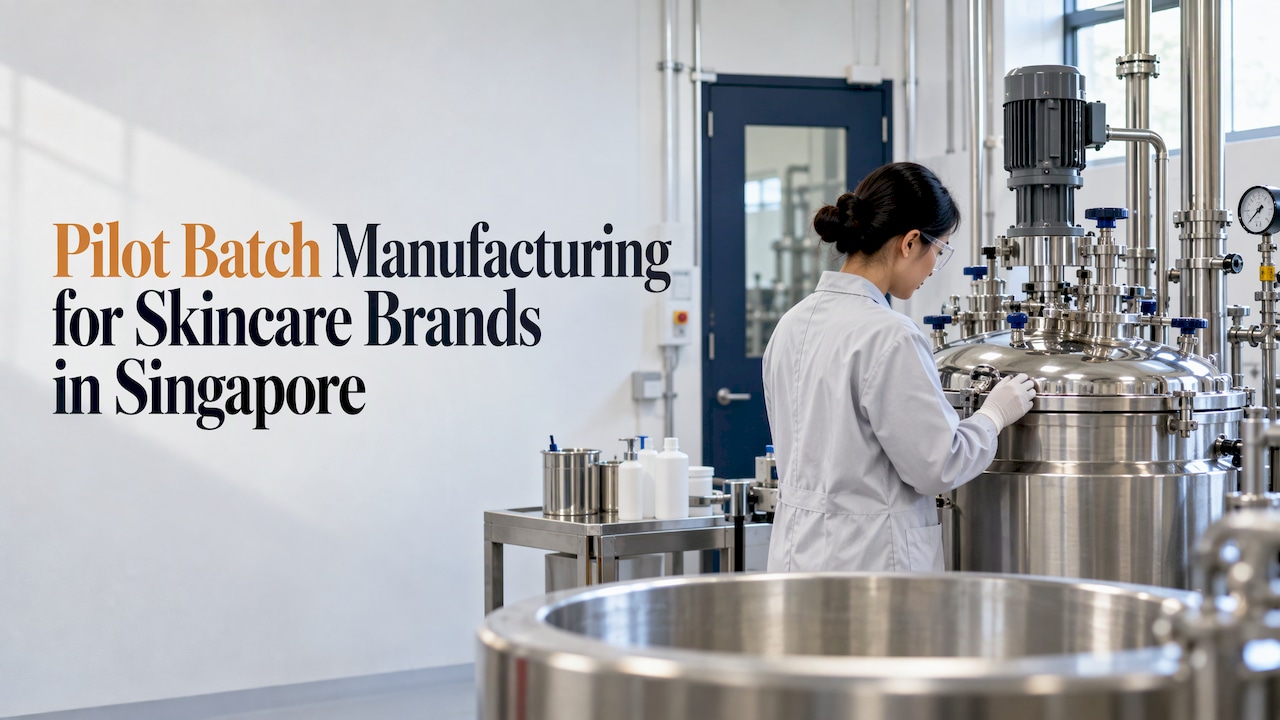
Pilot Batch Manufacturing for Skincare Brands in Singapore
What a skincare pilot batch is, how to plan and run one, what to test and record, and the Singapore rules to check before you scale up to commercial production.

What a skincare pilot batch is, how to plan and run one, what to test and record, and the Singapore rules to check before you scale up to commercial production.
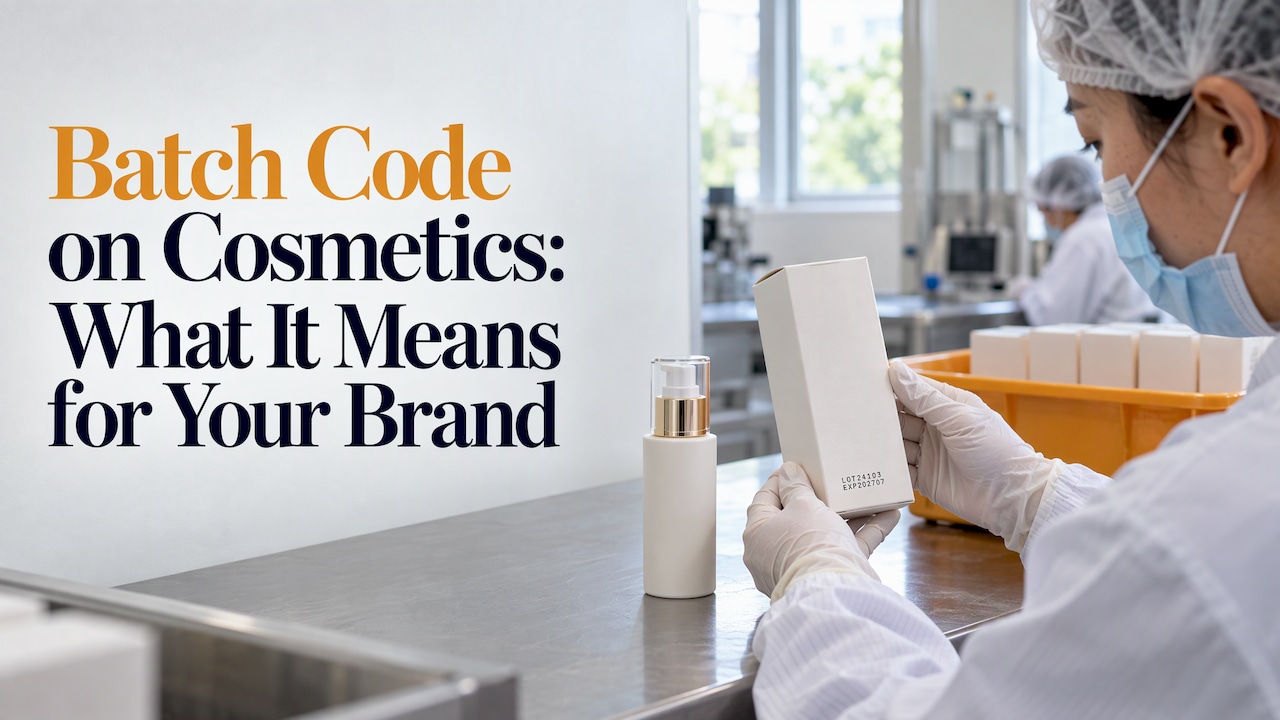
What a cosmetic batch code is, what Singapore's HSA requires on your label, how shoppers decode it, and how to plan batch coding before production.
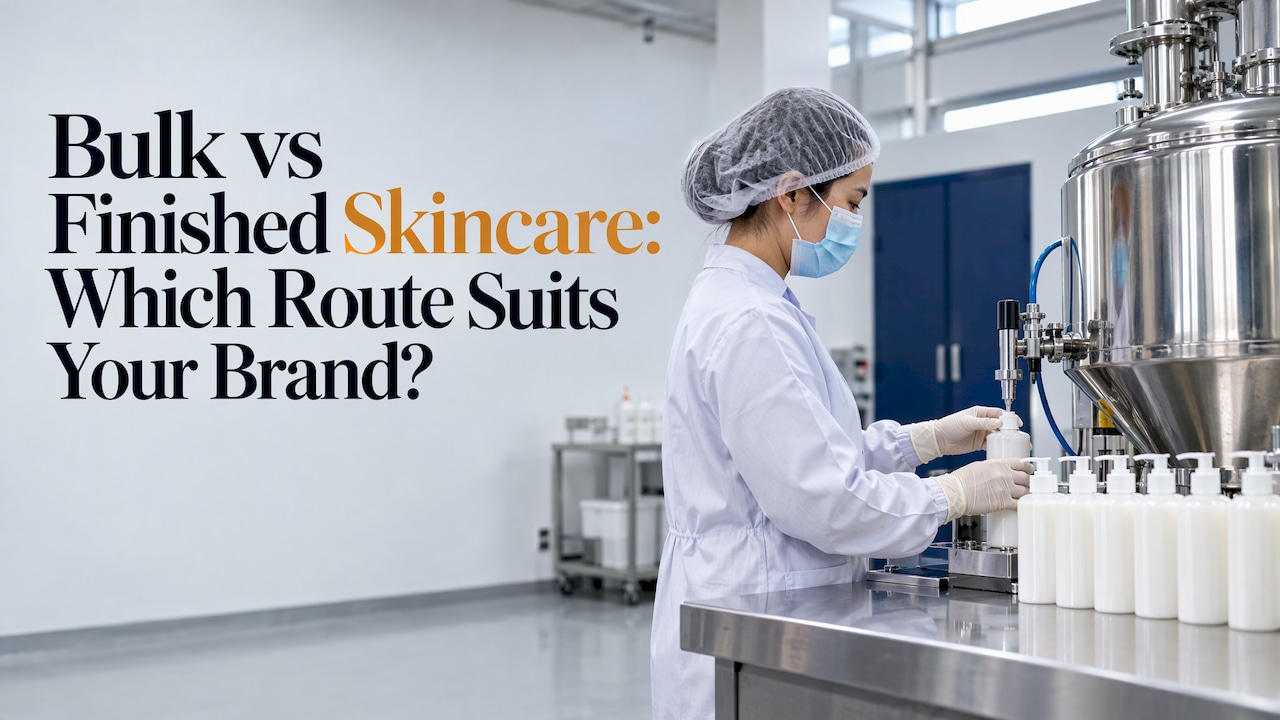
Bulk skincare is unfilled product; finished skincare is filled, packed and labelled. Learn the costs, controls and Singapore rules to choose the right route.
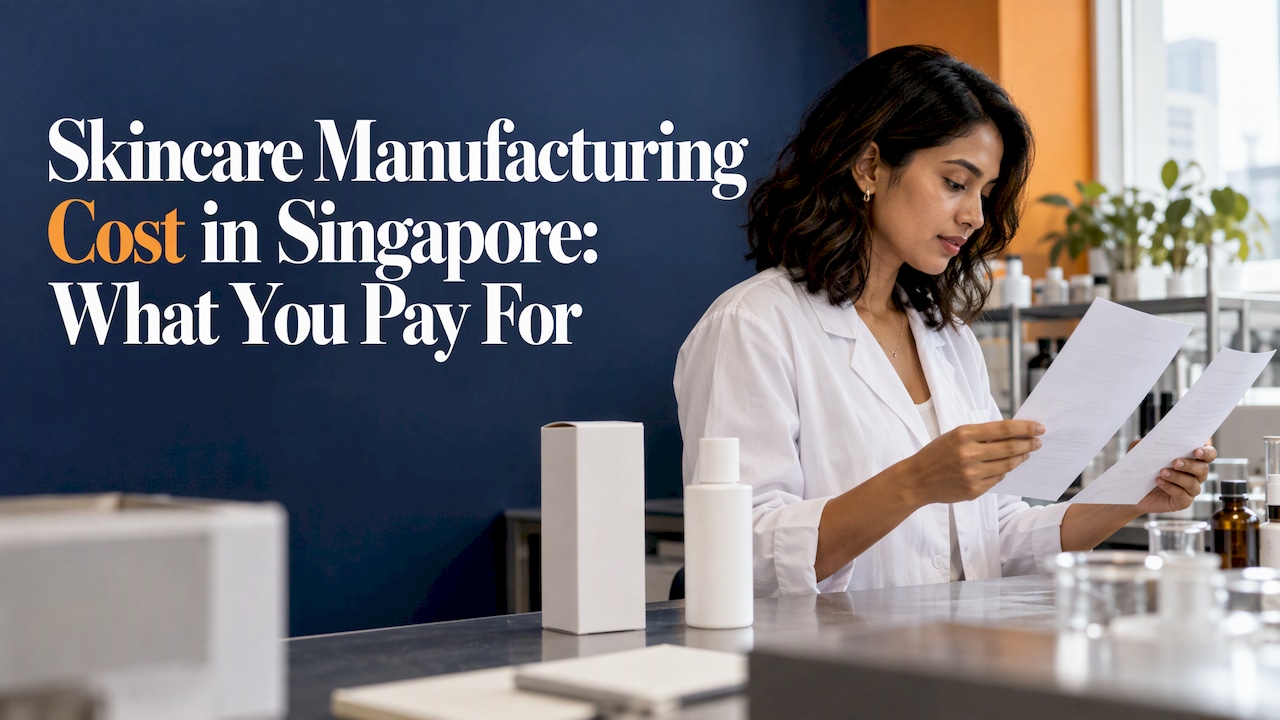
What skincare manufacturing costs in Singapore: formulation, MOQ, packaging, testing and HSA fees, plus how to budget a first run without surprises.
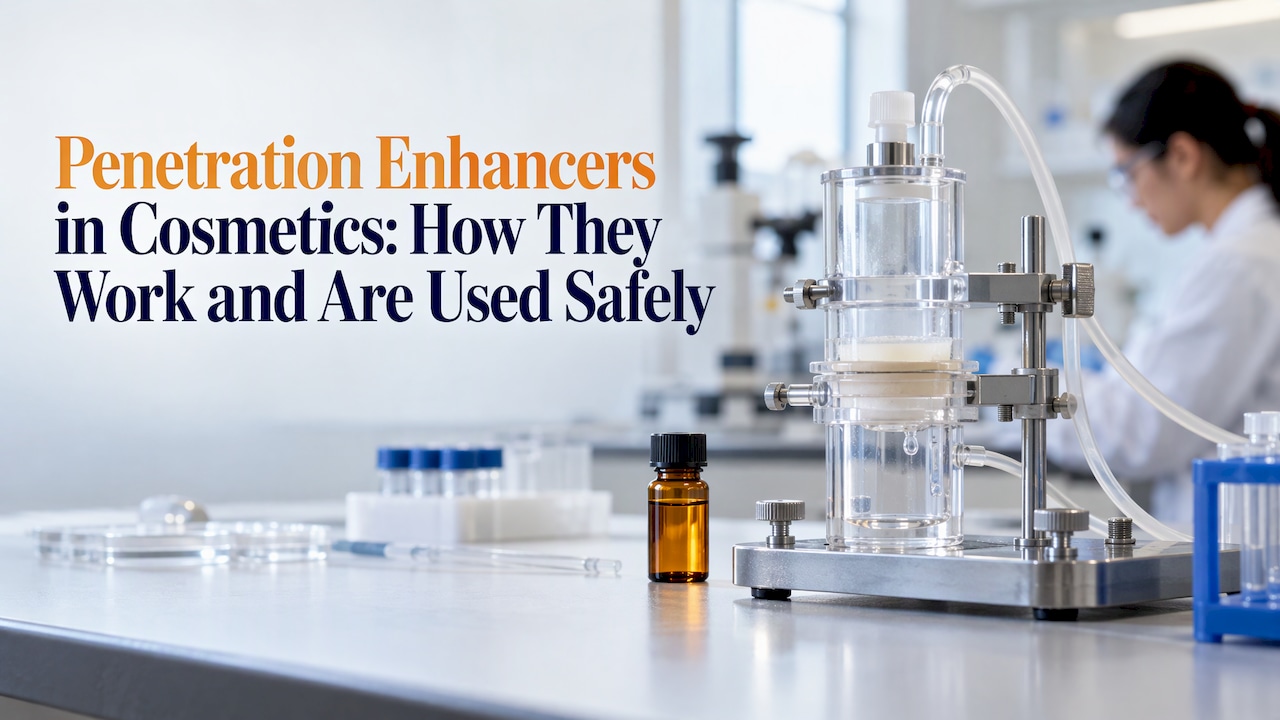
What penetration enhancers do in cosmetic formulas, which types exist, how irritation is managed and what Singapore brand owners should plan for before launch.
How a cosmetic risk assessment works in Singapore: hazard, exposure, margin of safety, the safety assessor's role, and the records HSA expects you to keep.
How to judge cosmetic ingredient safety for skincare sold in Singapore: hazard versus risk, formula-level assessment, HSA notification, records and testing.
Niacinamide compatibility explained: how it works with vitamin C, retinol, acids and hyaluronic acid, plus layering order and the pH science behind formulas.
Does your cosmetic need a safety data sheet in Singapore? See when an SDS applies, what the 16 sections hold, and how it differs from a CoA.
How to formulate microbiome-friendly skincare: ingredients, pH, preservation, testing, claims and Singapore rules, explained for brands planning a private label line.