Cosmeceutical vs Cosmetic: What Singapore Brands Need to Know
Cosmeceutical vs cosmetic explained for Singapore: what HSA actually recognises, where claims must stop, and how to develop a compliant, effective skincare line.

Cosmeceutical vs cosmetic explained for Singapore: what HSA actually recognises, where claims must stop, and how to develop a compliant, effective skincare line.
How to substantiate cosmetic claims in Singapore: what HSA and ASEAN rules allow, the evidence each claim needs, and how to keep a file that stands up.
What the ASEAN Cosmetic Directive means for Singapore: the annexes, HSA notification, labelling rules and GMP, explained for brand owners and manufacturers.
How HSA cosmetic notification works in Singapore: who files, what it costs, how long it takes, what it does not mean, and how to avoid common mistakes.
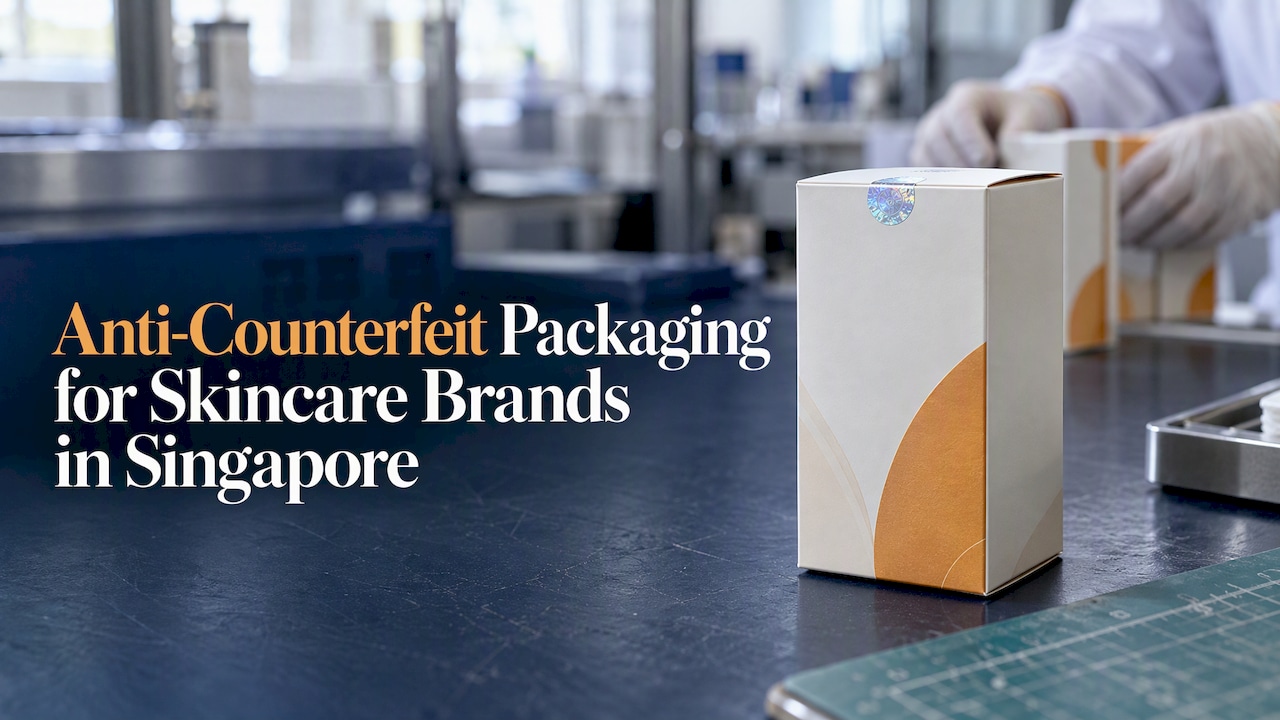
How to build layered anti-counterfeit packaging for a Singapore skincare brand: seals, serialised codes, covert marks, and the HSA labelling rules to respect.
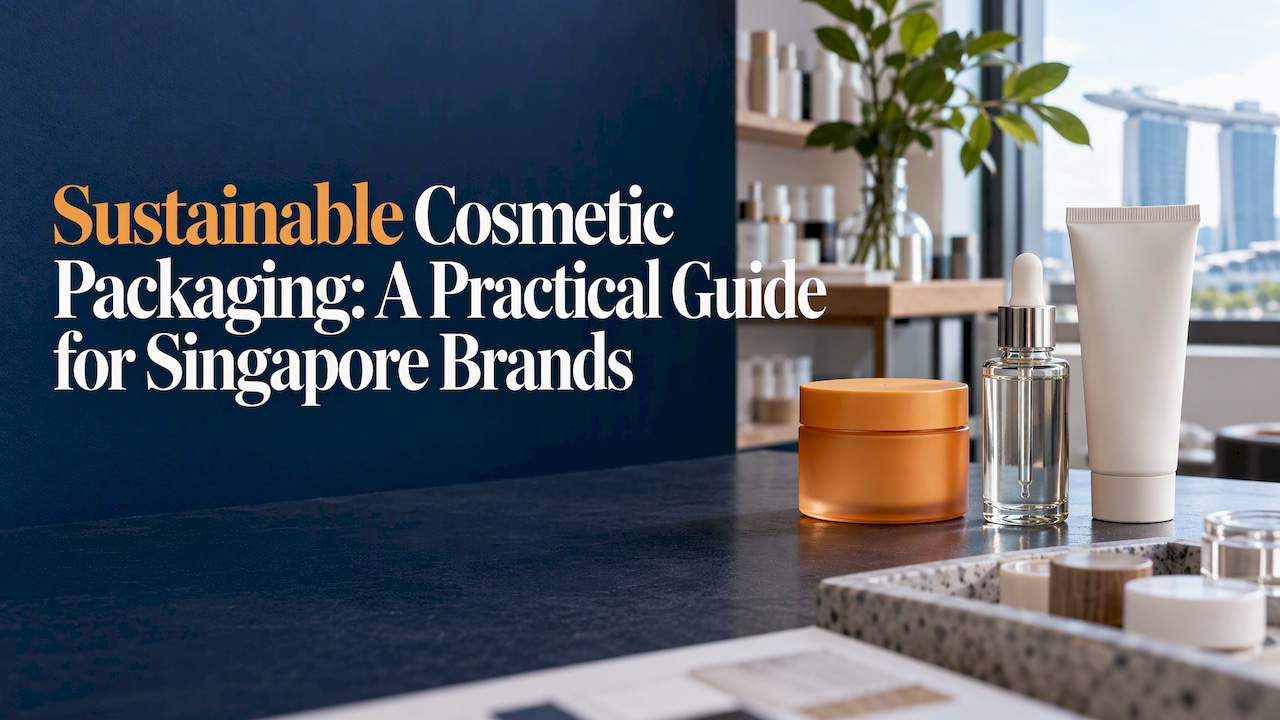
How to choose sustainable cosmetic packaging in Singapore: materials, refills, life-cycle data, NEA reporting rules and what to settle before production.
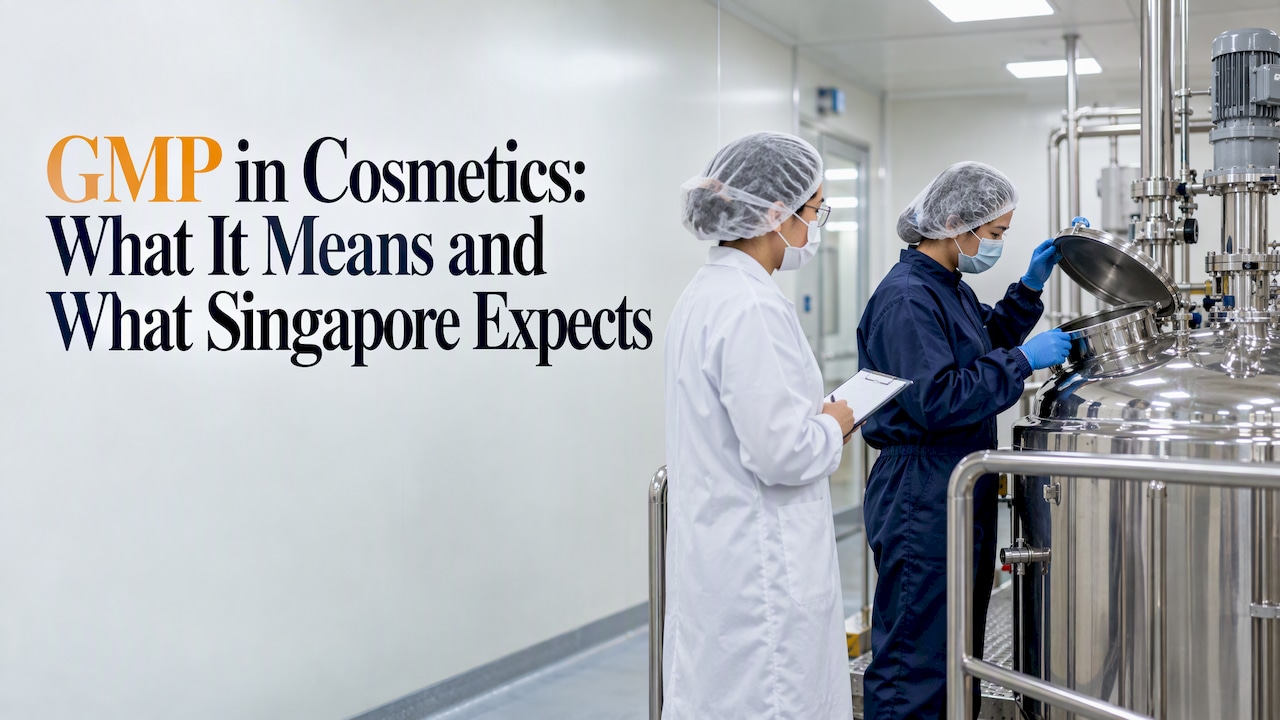
What GMP in cosmetics means, how Singapore's HSA certification and ISO 22716 differ, and what to check before you choose a skincare manufacturer.
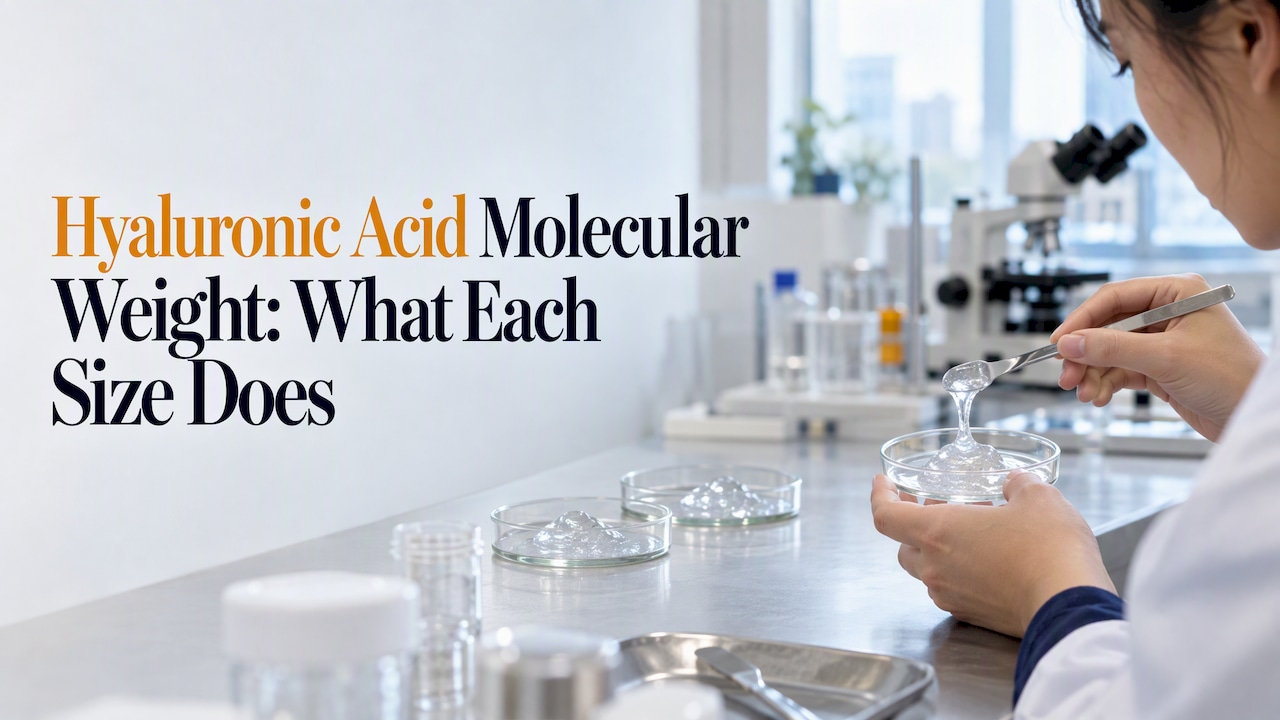
Low, medium or high molecular weight hyaluronic acid? See what each size does on skin, why multi-weight blends win, and how to specify it for your brand.
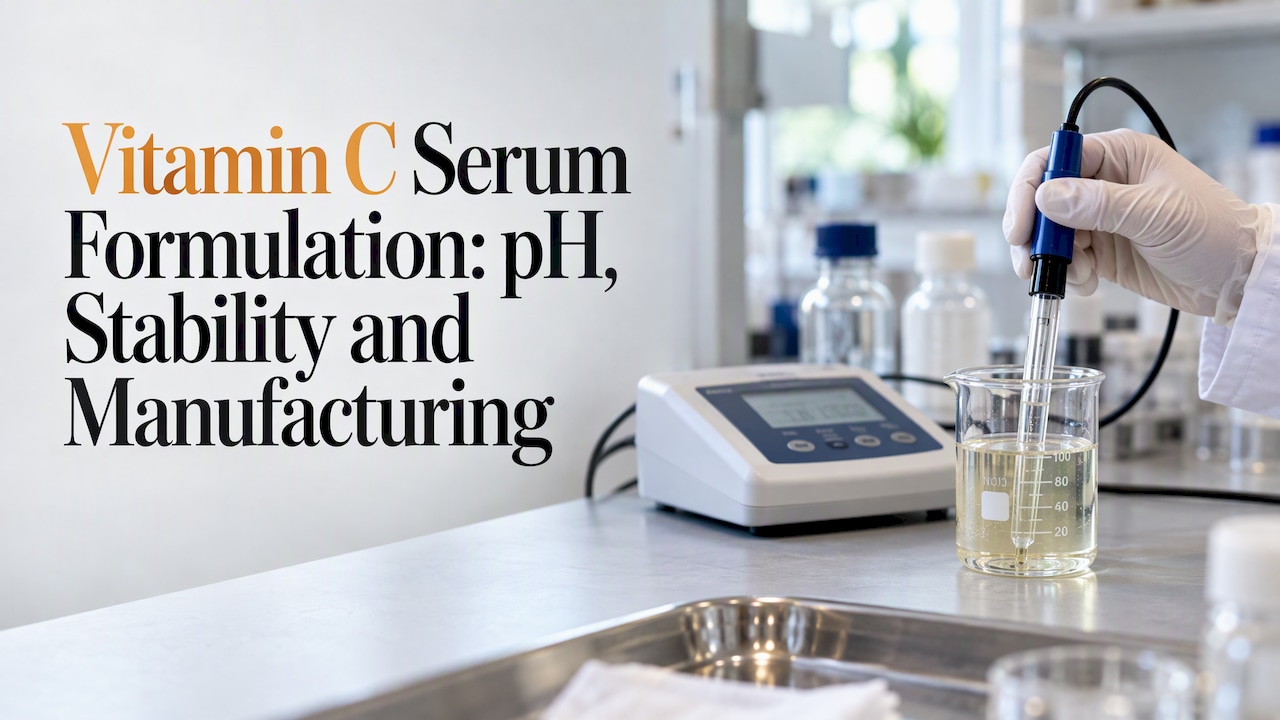
How to formulate a vitamin C serum that stays stable: choosing L-ascorbic acid or derivatives, setting pH, controlling oxidation and meeting Singapore rules.
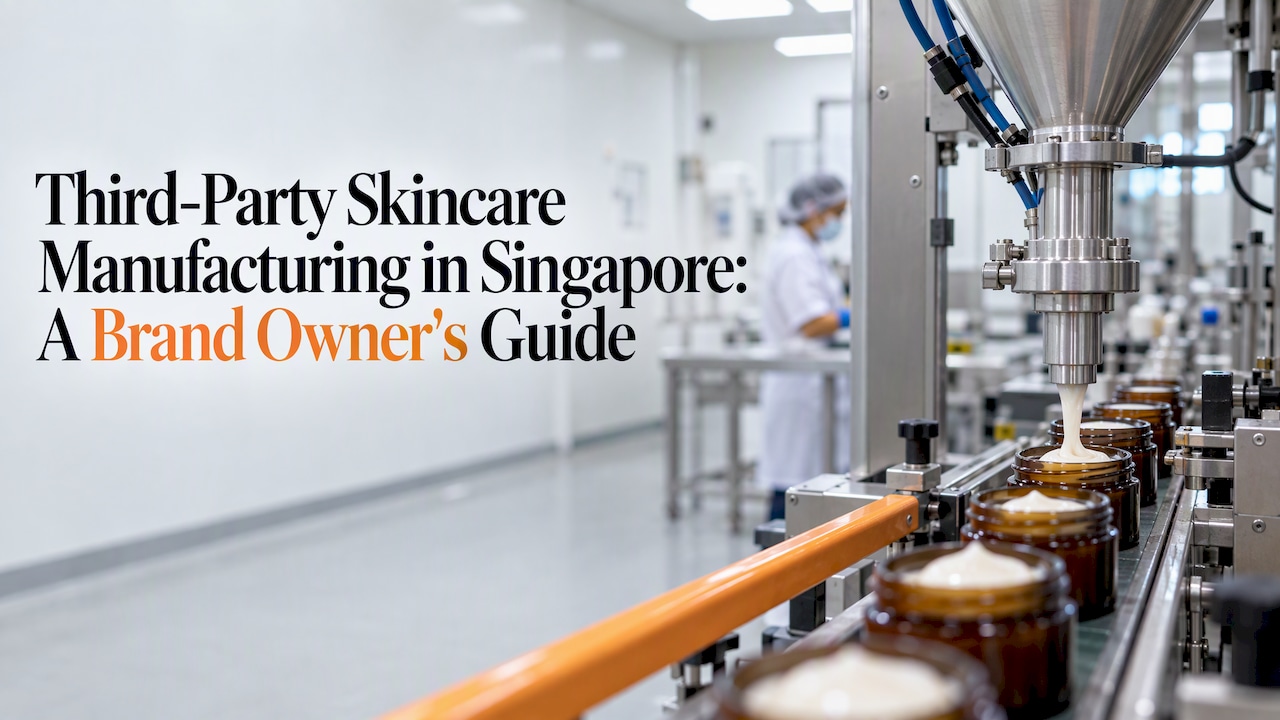
How third-party skincare manufacturing works in Singapore: OEM, ODM and white label compared, HSA notification duties, GMP checks, MOQs, timelines and vetting questions.