Refillable Skincare Packaging: A Guide for Singapore Brands
How refillable skincare packaging works, which formats suit which formulas, and what Singapore brands must check on safety, rules and claims before launch.

How refillable skincare packaging works, which formats suit which formulas, and what Singapore brands must check on safety, rules and claims before launch.
How retinol encapsulation protects the active, what the evidence shows on stability and tolerance, and what brands should ask for before launching a formula.
How to source cosmetic and skincare ingredients in Singapore: define specs, qualify raw material suppliers, meet HSA and ASEAN rules, and manage supply risk.
How to choose an emulsifier for skincare: emulsion type, oil phase, HLB, natural options, process, skin tolerance and Singapore requirements, step by step.
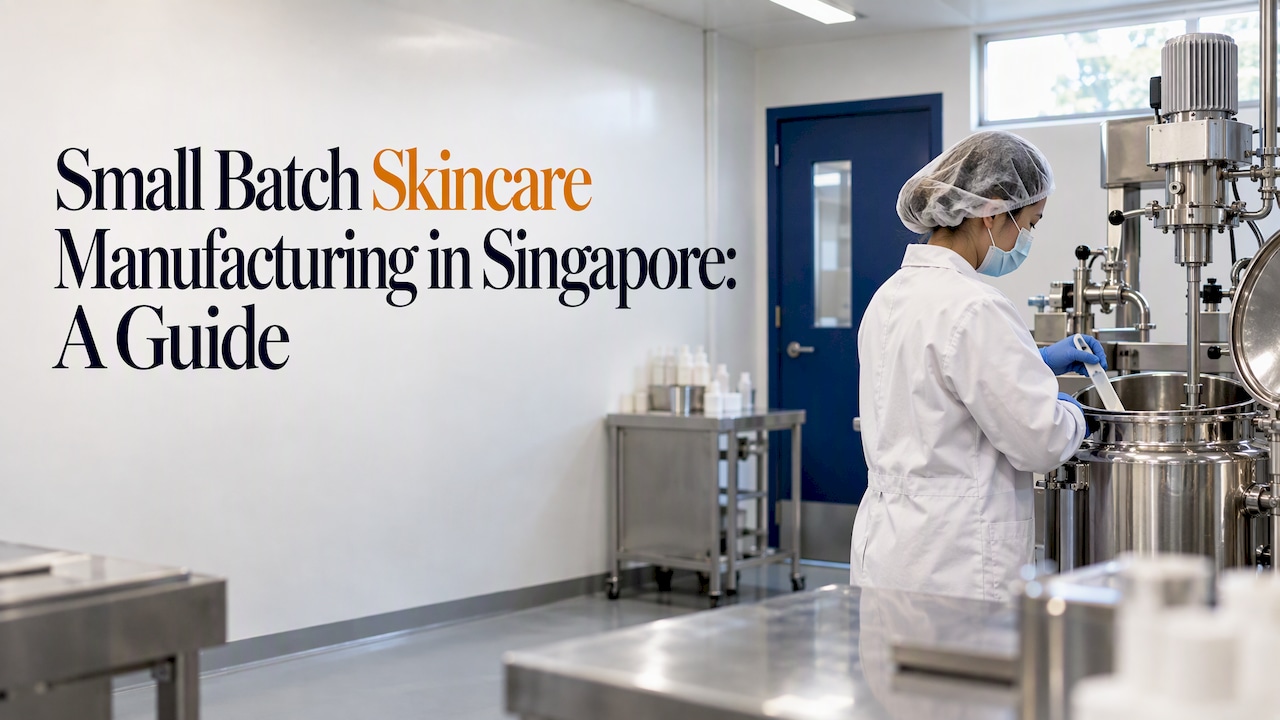
How small batch skincare manufacturing works in Singapore: process, MOQ factors, HSA notification, GMP checks and how to pick a partner for your first run.
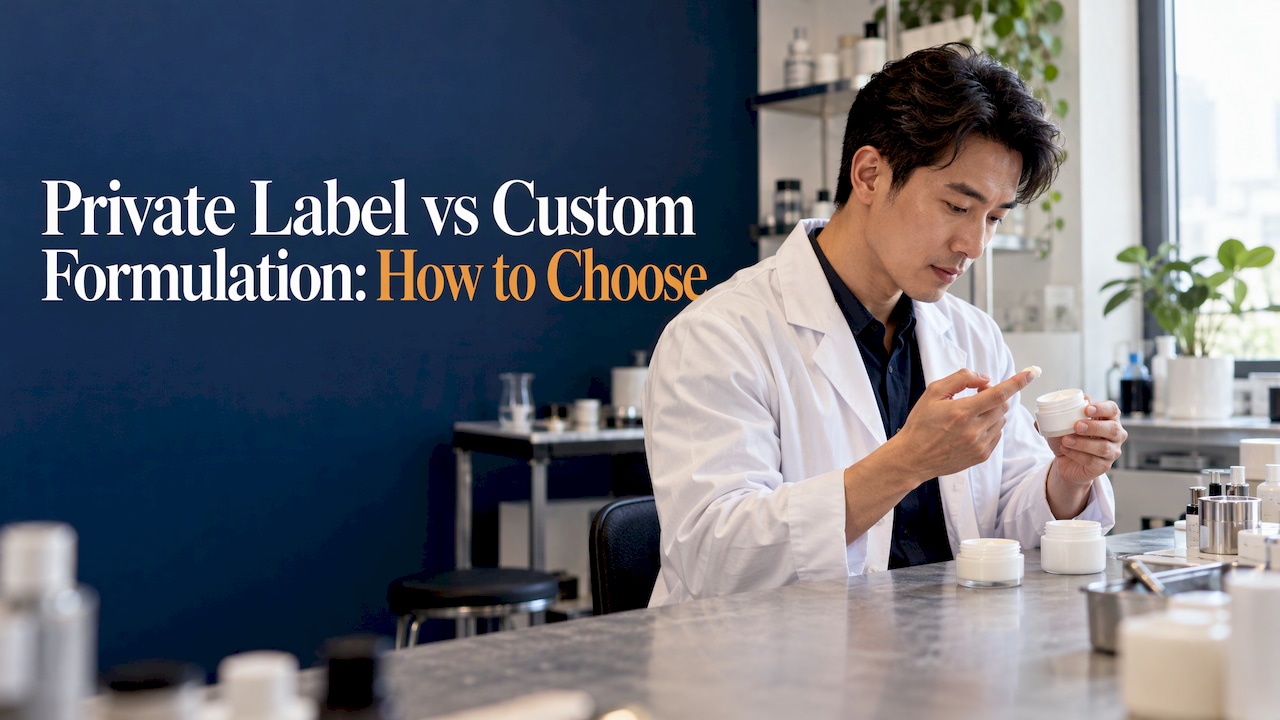
Private label means choosing a ready formula; custom formulation means developing your own. Compare cost, speed, ownership and Singapore rules before you commit.
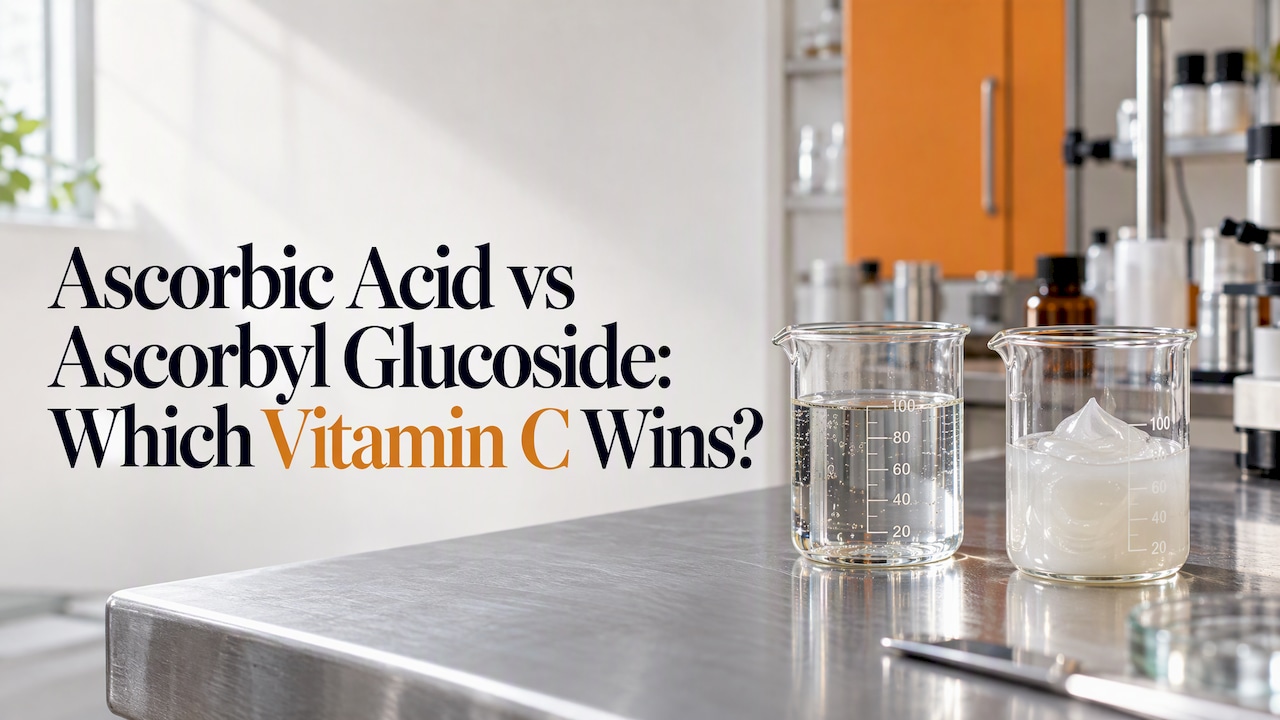
Ascorbic acid or ascorbyl glucoside? Compare potency, stability, pH and skin tolerance, and learn which vitamin C suits your skincare formula in Singapore.
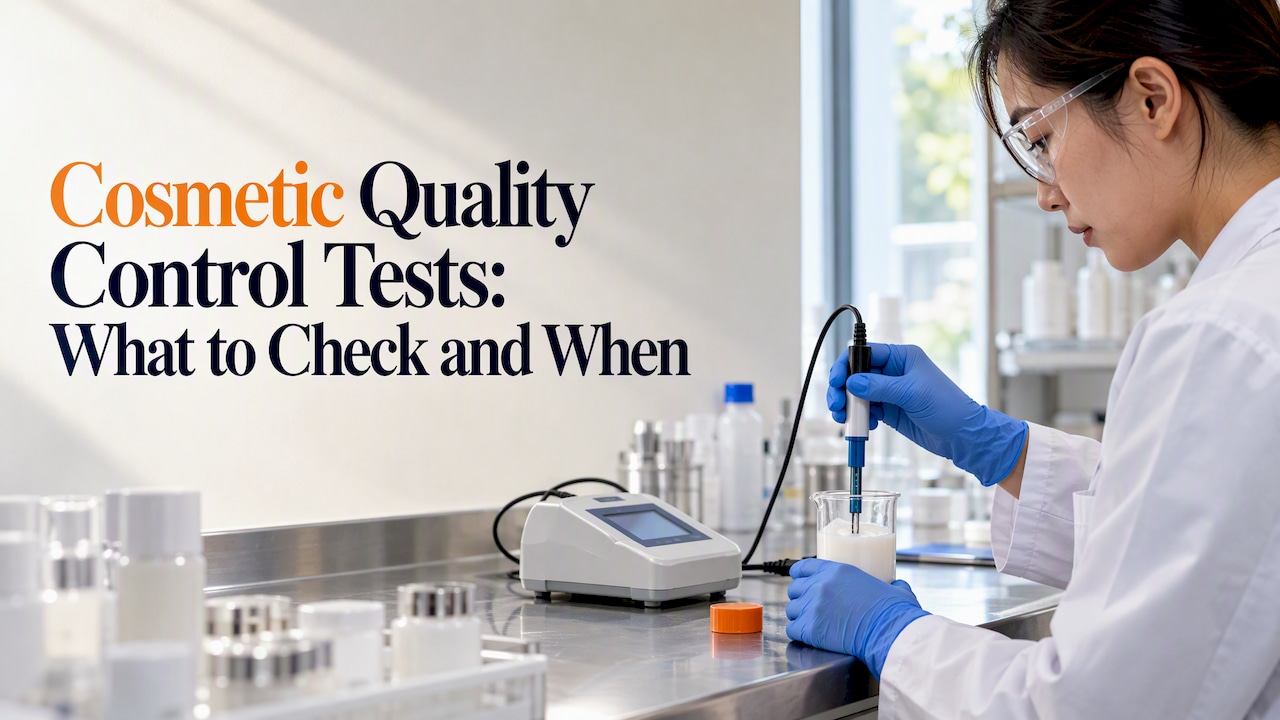
Which cosmetic quality control tests apply to raw materials, batches and finished skincare, and what Singapore brands should review before release.
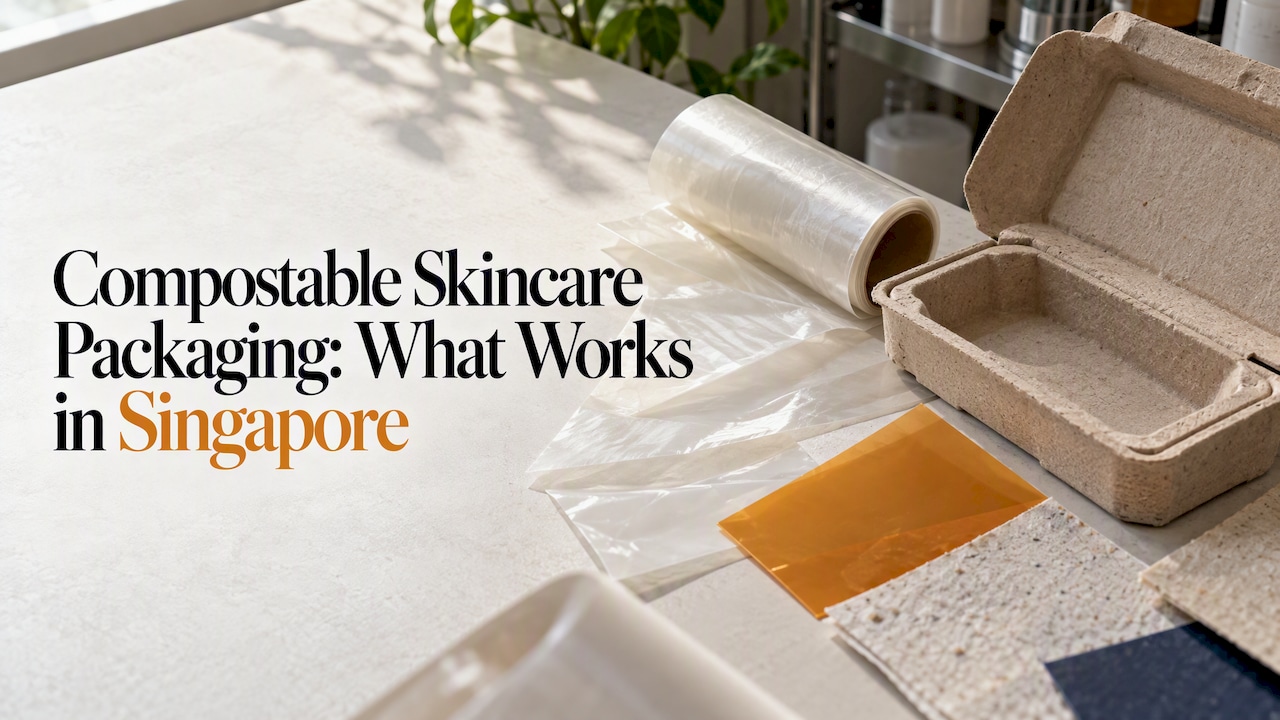
Compostable skincare packaging explained for Singapore brands: what the term means, which materials hold up, where they end up, and how to test before launch.
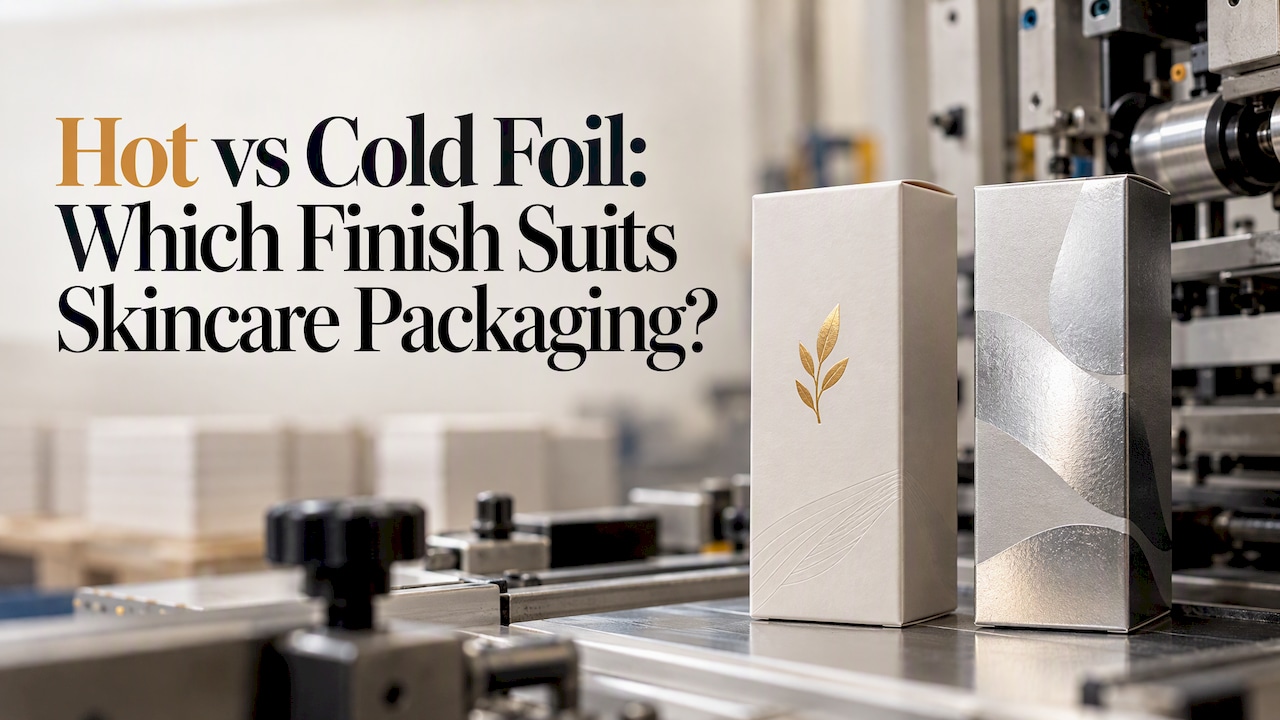
Hot foil or cold foil for skincare boxes and labels? Compare finish, cost, run size, materials and artwork rules, with a simple way to decide.