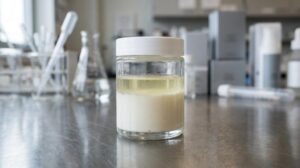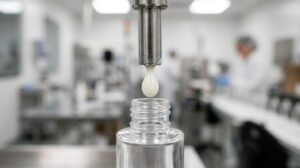

A skincare idea becomes a viable product only when performance, safety, sensory appeal, production realities, and brand positioning agree. That is why learning how to develop a skincare formulation is not simply a matter of selecting popular ingredients. It is a disciplined development process that turns a market opportunity into a repeatable, stable, commercially compelling product.
For a new brand, salon range, clinic-led line, or established distributor portfolio, the strongest starting point is clarity. A manufacturer can develop many versions of a serum, cleanser, cream, or mask. The right version is the one that solves a defined customer need while fitting your target price, claims direction, packaging format, and route to market.
Start With a Product Brief That Makes Decisions Easier
A detailed product brief prevents expensive reformulation later. Rather than beginning with a long list of trending ingredients, define the product’s job first. Is the goal a lightweight daily moisturizer for humid climates, a barrier-supporting recovery cream, a professional-use exfoliating treatment, or a brightening serum designed for a premium retail audience?
Your brief should establish the intended user, skin concern, product format, texture, fragrance preference, price position, and market destination. It should also state the claims territory you want to occupy. For example, “helps skin feel hydrated and smooth” calls for a different evidence approach than a product positioned around visible brightening, oil control, or support for the appearance of blemish-prone skin.
Commercial parameters belong in the brief as well. Target fill size, planned retail price, expected order volumes, and preferred packaging can all influence formulation choices. An elegant glass dropper bottle may suit a water-light serum, while an airless pump may offer a better fit for a sensitive active or a richer emulsion. Product development works best when formula and pack are considered together, not as separate decisions made months apart.
How to Develop a Skincare Formulation Around a Clear Strategy
Once the brief is set, the formulator determines the product architecture. This means selecting the delivery system before finalizing the ingredient story. A water-based gel, oil-in-water emulsion, anhydrous balm, cleansing oil, clay mask, or mist each has different stability requirements, sensory characteristics, and manufacturing considerations.
Choose Actives for Performance, Not Just Popularity
Active ingredients can give a product a compelling point of difference, but more is not always better. Combining multiple high-profile actives may complicate solubility, pH control, preservation, stability, texture, and cost. It can also create a product experience that is too sticky, irritating, strongly scented, or difficult to apply.
A better approach is to identify one primary benefit and build supporting ingredients around it. A hydration serum, for instance, may combine humectants, film-formers, and skin-conditioning ingredients to create immediate slip and a comfortable after-feel. A barrier-focused cream may require a carefully balanced emollient system, lipid-supporting components, and a texture that feels protective without becoming heavy.
Ingredient exclusions should be confirmed early. If your brand requires a fragrance-free formula, vegan positioning, silicone-free texture, or a clean-beauty ingredient policy, those requirements must guide sourcing and formulation from the first laboratory sample. Exclusions can narrow technical options, so they should be treated as design criteria rather than late-stage marketing requests.
Design the Sensory Experience
Customers judge skincare within seconds. They notice the way a cleanser rinses, whether a cream pills under makeup, how quickly a serum absorbs, and whether a mask leaves the skin feeling comfortable after removal. Sensory performance is not superficial – it influences repeat purchase and brand perception.
During sampling, assess spreadability, playtime, absorption, tackiness, residue, fragrance impact, and appearance. A formula that performs well on paper but feels waxy or leaves an uneven finish may not meet the standard expected of a premium product. Feedback should be specific and actionable: “less silicone-like slip,” “faster absorption,” or “a more cushiony cream texture” gives a development team useful direction.
Build for Stability, Safety, and Repeatable Production
A laboratory prototype is only the first technical milestone. To move toward commercialization, the formula must remain consistent through manufacturing, filling, storage, shipment, and normal customer use. This is where formulation science and production discipline become inseparable.
The order in which raw materials are added, the mixing speed, temperature profile, cooling process, and filtration requirements can all affect the finished product. An emulsion that looks smooth in a small beaker may separate when scaled without the correct equipment settings or process controls. Likewise, a botanical extract that is visually appealing may alter color or odor over time.
Verify Preservation and Packaging Compatibility
Water-containing products require a preservation strategy appropriate to the full formula, not just the ingredient list. Factors such as pH, water activity, packaging, manufacturing hygiene, and consumer use conditions can affect product protection. Relevant microbiological and preservation evaluations help confirm that a product is suitable for its intended format and usage.
Packaging compatibility testing is equally valuable. Some formulas can interact with pumps, droppers, liners, labels, or certain plastic materials. Oils may affect components differently from alcohol-based mists, while active-rich products may need greater protection from air or light. Selecting the pack early allows the formula and component to be evaluated as a working system.
Stability testing should examine how the product performs under different storage conditions over time. Teams commonly monitor appearance, color, odor, viscosity, pH, and signs of separation. The exact testing plan depends on the formula type, intended shelf life, market requirements, and packaging, but the purpose remains the same: to reduce avoidable risk before production begins.
Translate Samples Into a Market-Ready Product
After the formula direction is approved, scale-up turns laboratory work into a controlled manufacturing process. This stage can reveal practical considerations that are not visible during early sampling, including mixing time, raw-material availability, batch yield, filling behavior, and acceptable production tolerances.
A capable manufacturing partner will review whether ingredients can be sourced consistently at the required quality level and whether the production method can be reproduced from batch to batch. This matters particularly for brands planning growth. A formula that works for a pilot run but depends on difficult-to-source materials or highly variable natural ingredients may create supply challenges later.
Quality control should be planned across incoming materials, bulk product, filling, finished goods, and documentation. GMP-certified manufacturing provides a structured environment for managing these controls. For brands selling into competitive markets, quality assurance is more than a compliance exercise – it protects product consistency and the trust customers place in the label.
Make Packaging and Labeling Part of Product Development
The finished product must communicate its value before the customer experiences the formula. Packaging design, print quality, claims wording, directions, ingredient declarations, and batch information all contribute to the brand’s credibility.
A practical label must accommodate the required information without making the product look crowded or confusing. It should also reflect how the product is used. A professional salon treatment may need clear protocol guidance, while a home-use product should make application straightforward for a first-time buyer.
Before final print approval, review every component together: primary container, cap or pump, carton, label material, finish, and shipping configuration. A premium formulation can lose impact when packaging is difficult to dispense, scuffs in transit, or does not align with its intended price point.
Work With a Development Partner That Thinks Beyond the Formula
The best answer to how to develop a skincare formulation is to build the product through a connected process, from positioning and samples to testing, production, and presentation. Each decision affects the next, and early collaboration reduces late changes that cost time and budget.
Harmony Skin Lab supports brands through this full path with dedicated formulation development, GMP-certified manufacturing, quality controls, packaging support, and scale-up expertise. The objective is not simply to produce a skincare item, but to help create a product customers want to use again and a brand can confidently grow around.
Bring a focused product brief, stay open to technical guidance, and evaluate every sample against the real customer experience. That is where a promising concept begins to earn its place in the market.