How Custom Skincare Formulation Works: From Concept to Production
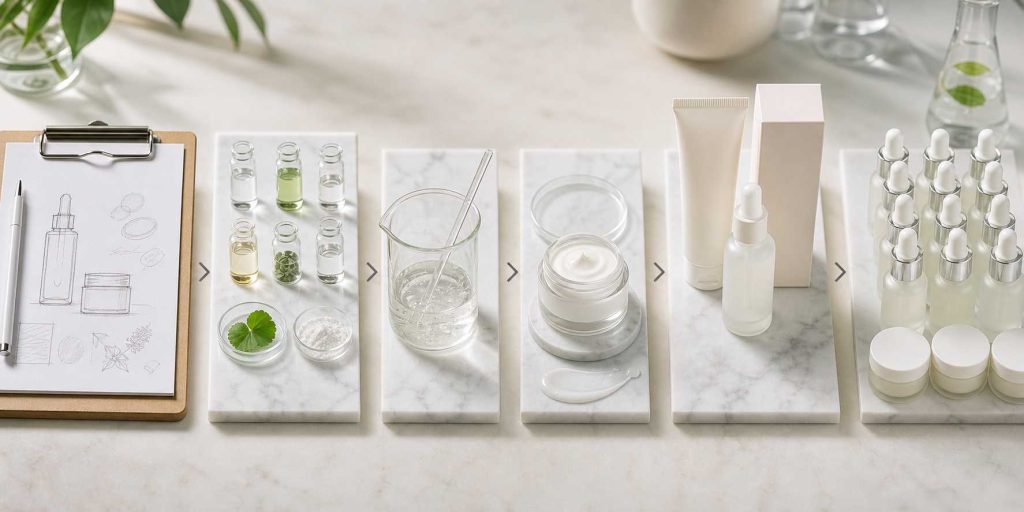
Creating a custom skincare product involves more than simply choosing ingredients. From formulation development to packaging and production, every stage plays an important role in building a successful skincare brand.
Step 1: Product Consultation
The process usually begins with understanding the brand’s goals, target audience, and product vision. This includes identifying skin concerns, preferred textures, ingredient preferences, and product positioning within the market.
Step 2: Formulation Development
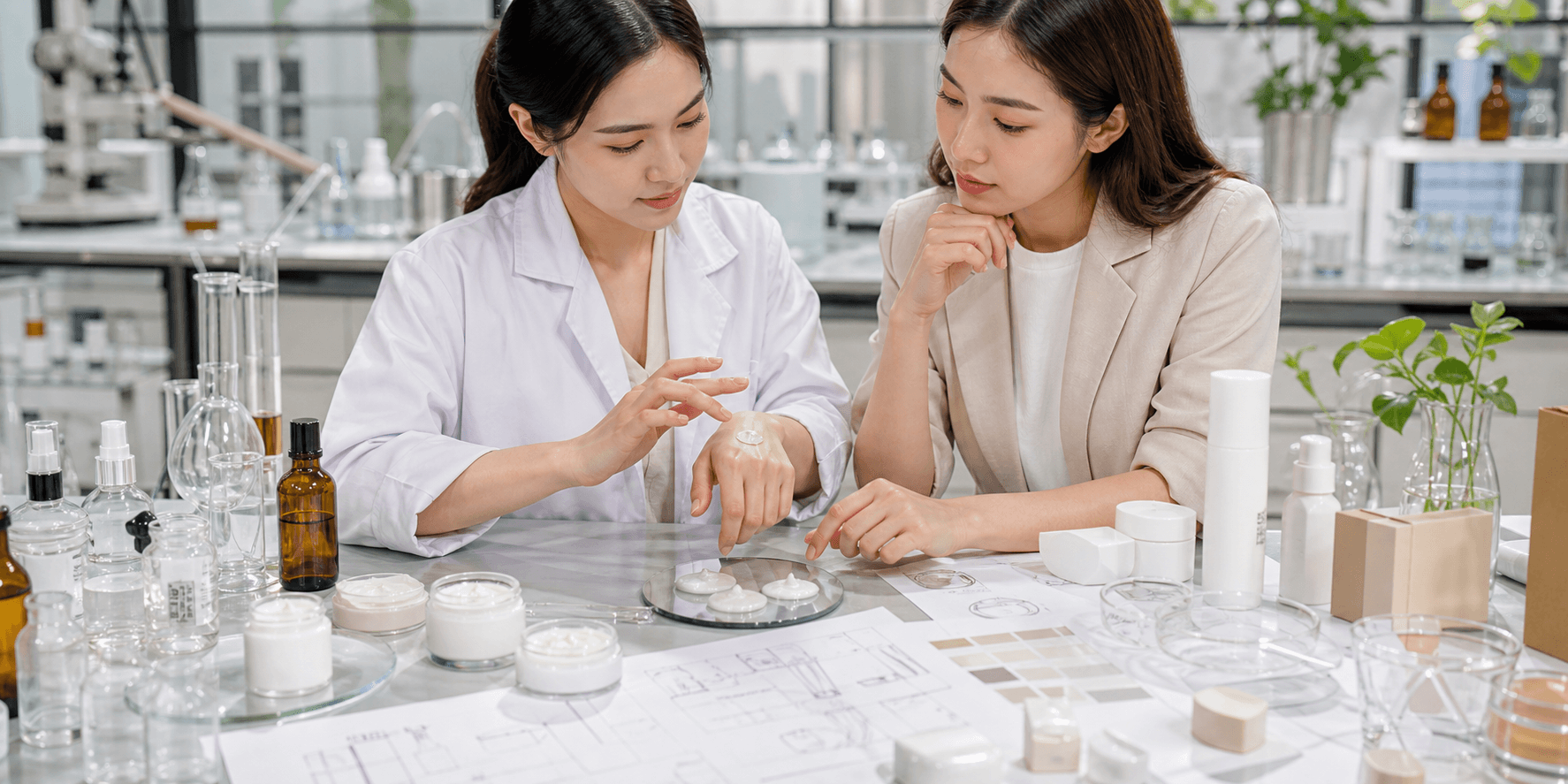
After the consultation stage, research and development teams begin creating the product formulation. Ingredients are selected based on product performance, skin compatibility, and market trends. Texture, fragrance, absorption, and overall user experience are also considered during this phase.
Step 3: Product Testing
Once the formulation is developed, testing is conducted to evaluate product stability, safety, and compatibility. This helps ensure consistent product quality before mass production begins.
Step 4: Packaging Selection
Packaging is an important part of skincare branding and functionality. Brands typically choose packaging based on product type, ingredient compatibility, and overall brand identity.
Step 5: Production and Manufacturing
After approval, the product moves into manufacturing. This stage includes filling, labeling, quality control checks, and final packaging before distribution.
Custom skincare formulation allows beauty brands to create products that better reflect their brand identity and target market. It also helps businesses stand out in an increasingly competitive skincare industry.
Harmony Skin Lab supports skincare brands with customized OEM and ODM manufacturing services, helping businesses develop high-quality skincare products from concept to production for the Southeast Asian market.